Joy of Life: A Cheat-Code Hero in a World That Ranks Everyone
A modern mind in an ancient court turns a wish-fulfilment adventure into a running argument about rank and equality, while Season 2 divided viewers for several overlapping reasons.
Why this one
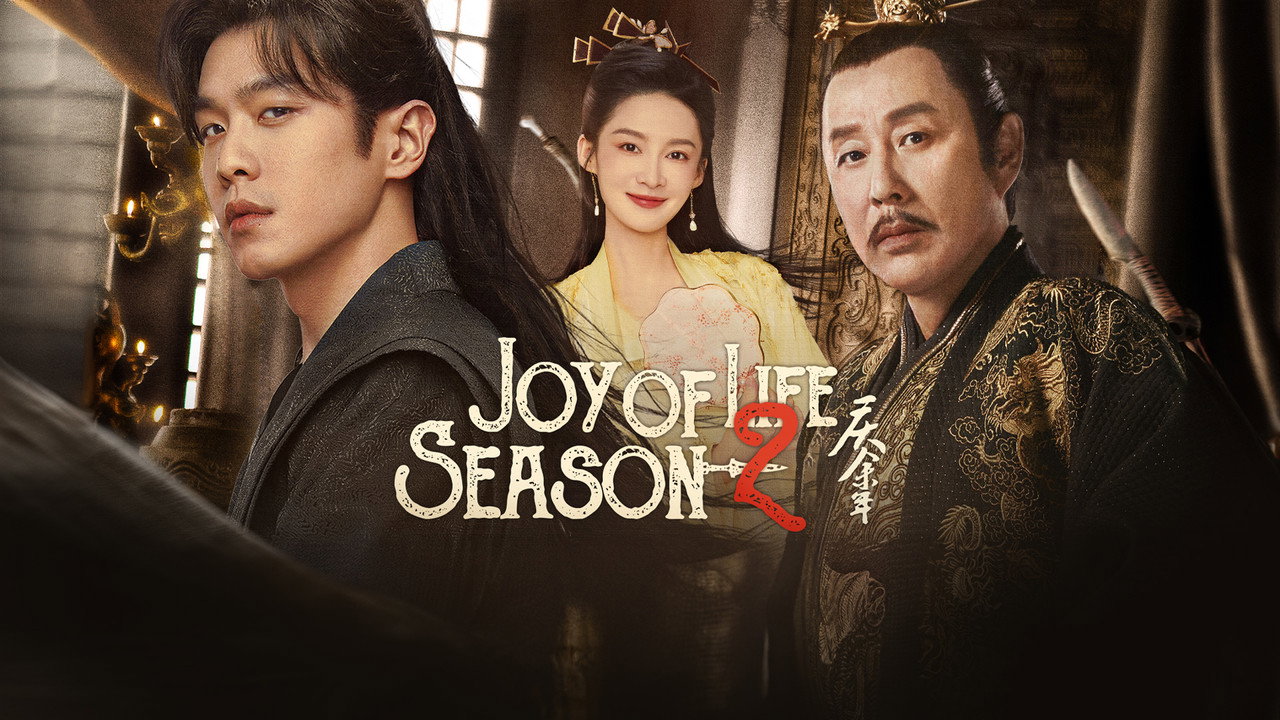
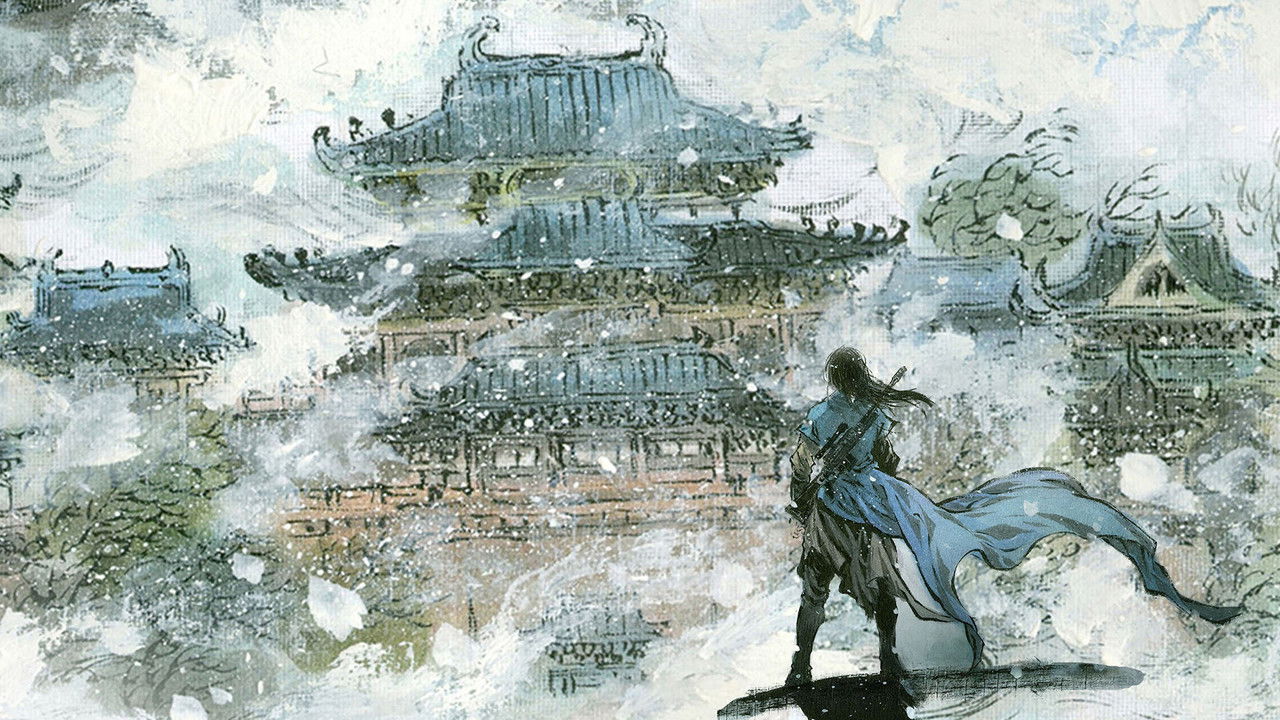
On the surface, Joy of Life (庆余年, Qing Yu Nian) is a power fantasy. A young man arrives in an ancient empire carrying twenty-first-century memories, and the world keeps rewarding him for it. He out-thinks assassins, out-talks ministers and rises fast in a court that was built to keep people like him down.
 Save
Underneath, the same scene keeps repeating. The hero pushes against rank, and rank pushes back. The question of what "all people are equal" is worth in a place where birth decides almost everything runs through the structure of the story, and it is the best reason to watch both seasons.
The two seasons arrived five years apart: Season 1 in 2019 on Tencent Video (腾讯视频) and iQIYI (爱奇艺) (46 episodes), Season 2 in 2024 on CCTV-8 and Tencent Video (36 episodes). Both were directed by Sun Hao (孙皓) from scripts by Wang Juan (王倦), adapted from the web novel by Mao Ni (猫腻). The second season was received unevenly, and the reasons given for it say a good deal about what viewers wanted from the story.
The setup
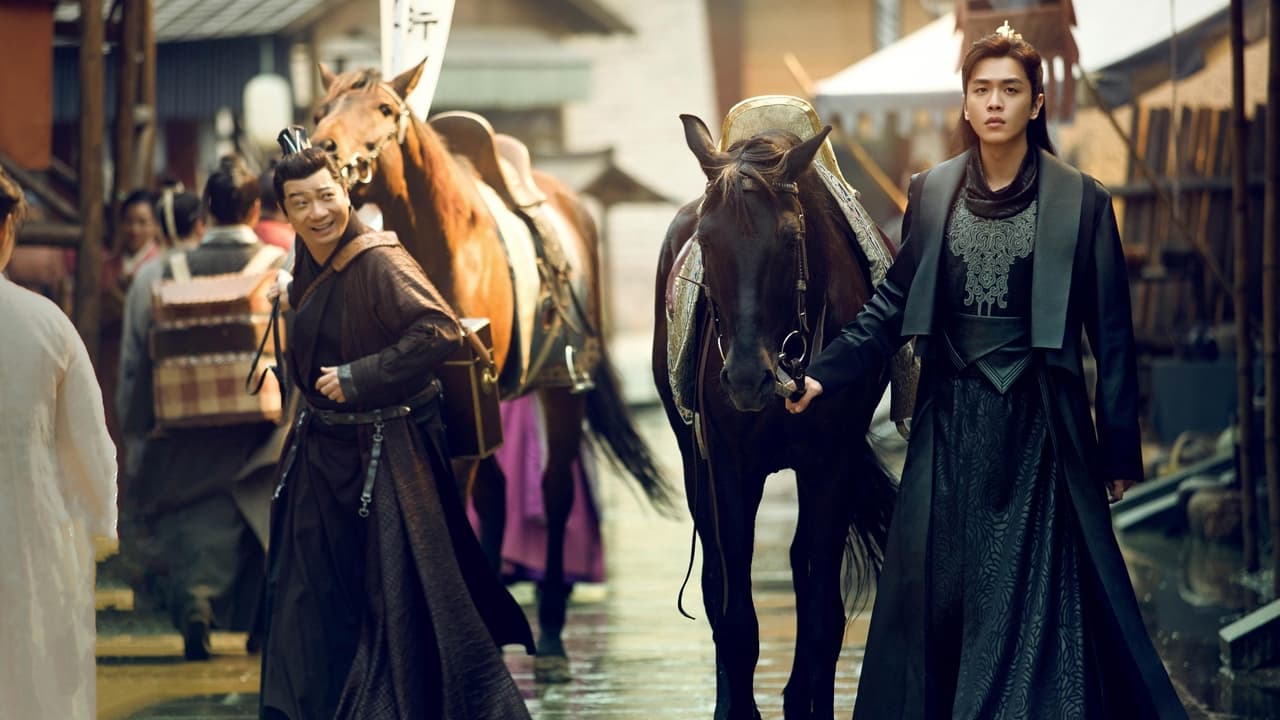
Fan Xian (范闲) is born in the empire of Southern Qing, raised by his grandmother in a provincial town as the illegitimate son of a minister, and he remembers a life in the twenty-first century. After an assassination attempt he travels to the capital to learn who his mother was and why anyone wants him dead. His mother, Ye Qingmei (叶轻眉), turns out to have been a celebrated inventor, the founder of the empire's spy agency and of its royal treasury, killed shortly after he was born.
 Save
In the capital he meets Lin Wan'er (林婉儿), the frail daughter of the Princess Royal. The emperor has chosen her as his bride, so that he will one day take over the treasury his mother created. He is drawn into the contest between two princes and into the Inspection and Control Bureau, jian cha yuan (监察院, the empire's secret-police and intelligence organ). He starts out meaning only to "enjoy life", and the plot slowly takes that option away.
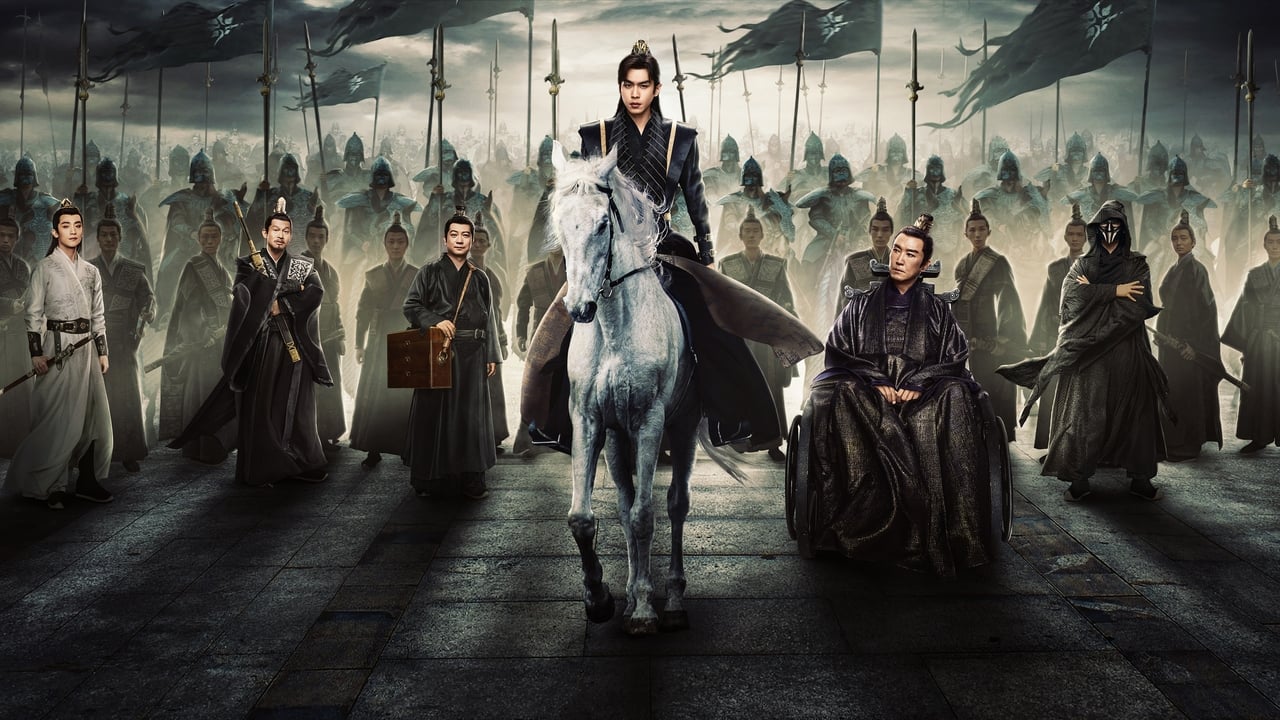
Spoilers for the end of Season 1 follow in this paragraph. The Season 1 finale has Fan Xian choosing loyalty to his friends and family over loyalty to the state, and he is apparently killed. Season 2 opens with him back in the capital, having faked his death. He talks his way out of punishment, takes on heavier official duties and sets out to clean up corrupt officials, with the stated aim of realising his mother's dream of a fair society.
What "equal" is worth here
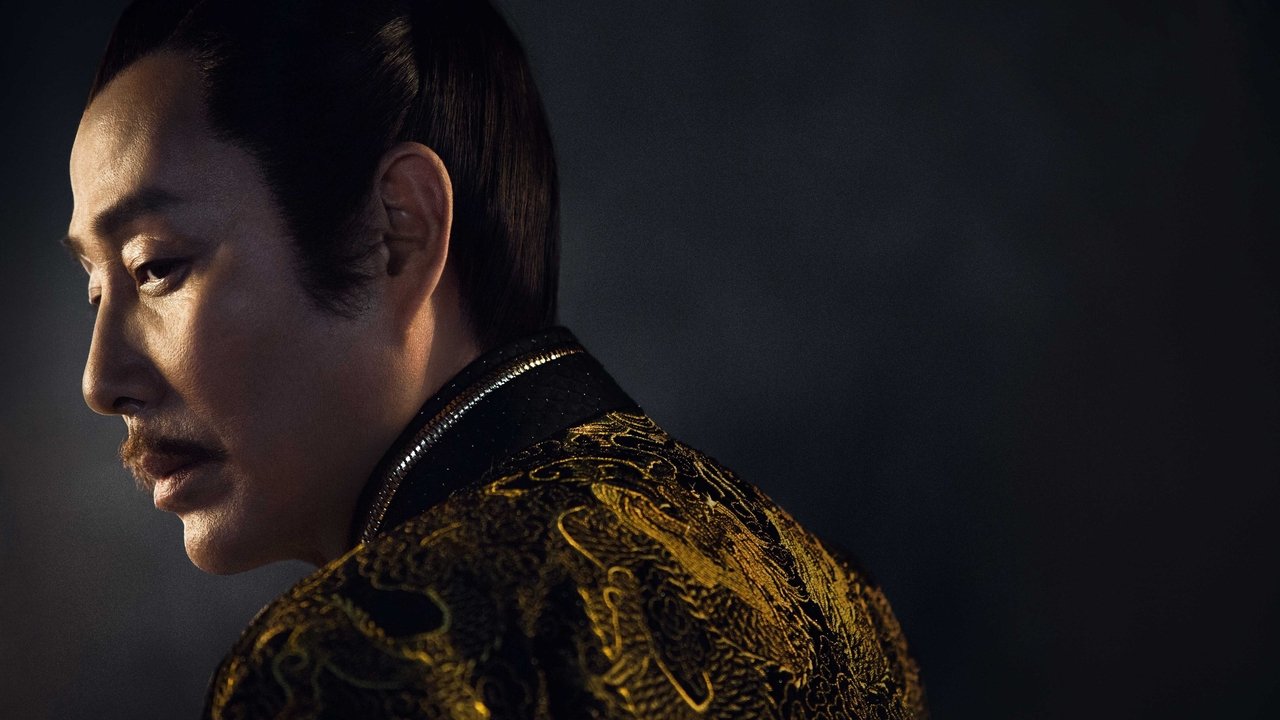
The idea sits in the premise before any character says it. Fan Xian comes from a world of formal equality and lands in one where status is the first fact about a person. He is a minister's illegitimate son. His marriage is chosen for him by the throne. His mother's great institutions are now held by the powerful, and who gets them depends on who marries whom.
 Save
Almost every way he succeeds is also a way he is absorbed. His modern knowledge makes him useful, usefulness makes him a piece worth owning, and the court tries to own him. That is the cheat-code pleasure and its cost at the same time. A hero who beats the system with outside knowledge is still working inside a system that decides what his victories are worth.
Ye Qingmei's ideal, the "fair society" he takes up in Season 2, is the clearest signal that the story means to ask the question. It also exposes the awkward part of the answer. Fan Xian pursues fairness largely through the favour of very powerful men. An interview with Mao Ni and Wang Juan, posted in June 2024 on the creator platform of The Paper (澎湃新闻), observes that all of his power comes from the holder of the greatest power in that world. The novel's afterword, quoted there, says that Fan Xian tries to treat everyone equally but still needs power to protect himself. Equality in this world can only be pursued from above, and the story does not pretend otherwise.
Plenty of viewers take the show purely as a fast, funny adventure, and it works that way too.
The cast and crew
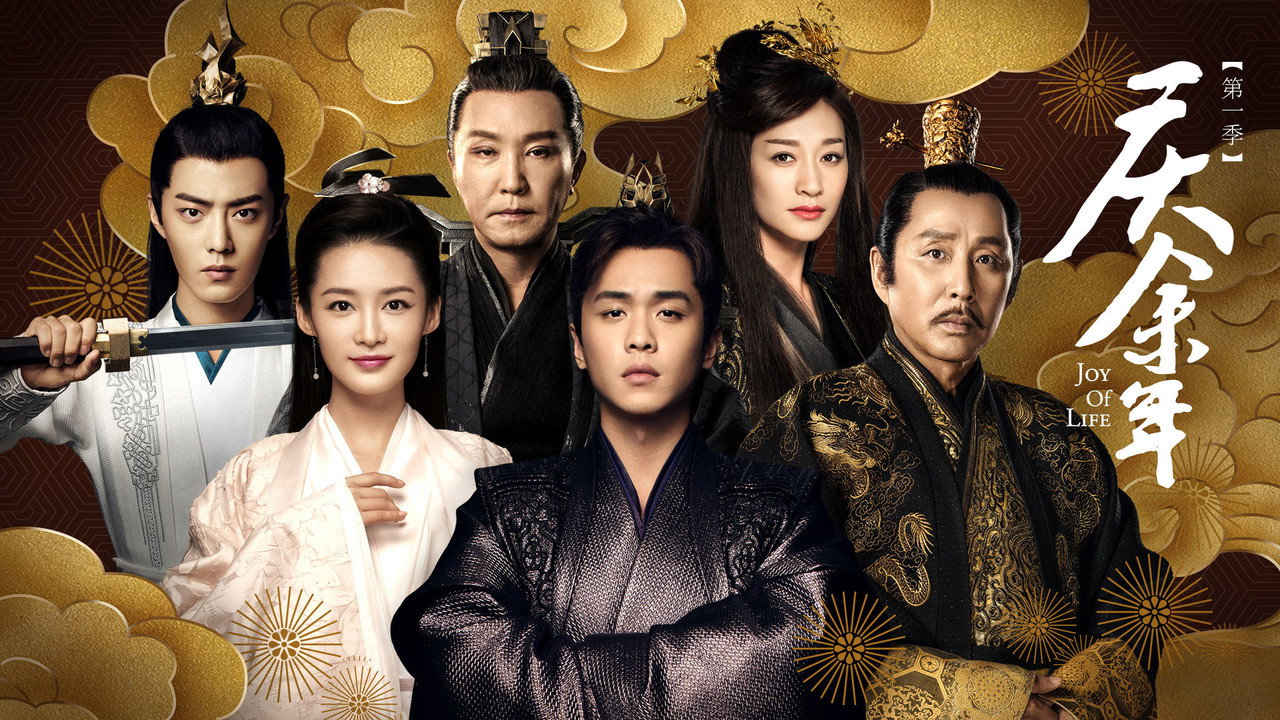
Zhang Ruoyun (张若昀) plays Fan Xian across both seasons. Chen Daoming (陈道明) is the emperor of Southern Qing. Li Qin (李沁) plays Lin Wan'er. Wu Gang (吴刚) plays Chen Pingping (陈萍萍), head of the Inspection and Control Bureau. Li Xiaoran (李小冉) plays Li Yunrui (李云睿), the Princess Royal. Yuan Quan (袁泉) plays Ye Qingmei, Tian Yu (田雨) is Wang Qinian (王启年), the bureau clerk who becomes Fan Xian's loyal aide, and Song Yi (宋轶) plays his sister Fan Ruoruo (范若若).
 Save
In 2020 the series won two Magnolia Awards (白玉兰奖) at the Shanghai Television Festival: best adapted screenplay for Wang Juan, and best supporting actor for Tian Yu. Season 2 was nominated for best drama at the 2025 festival.
Sun Hao directed both seasons. The production was shot at Hengdian World Studios (横店影视城) in Zhejiang province, among other locations.
Where to watch
Availability varies by country and changes over time. Season 2 has been listed on Disney+ in some regions, Viki has listed both seasons, and in China the show streams on Tencent Video. Check what your own region offers before assuming both seasons are in one place.
Why Season 2 divided viewers
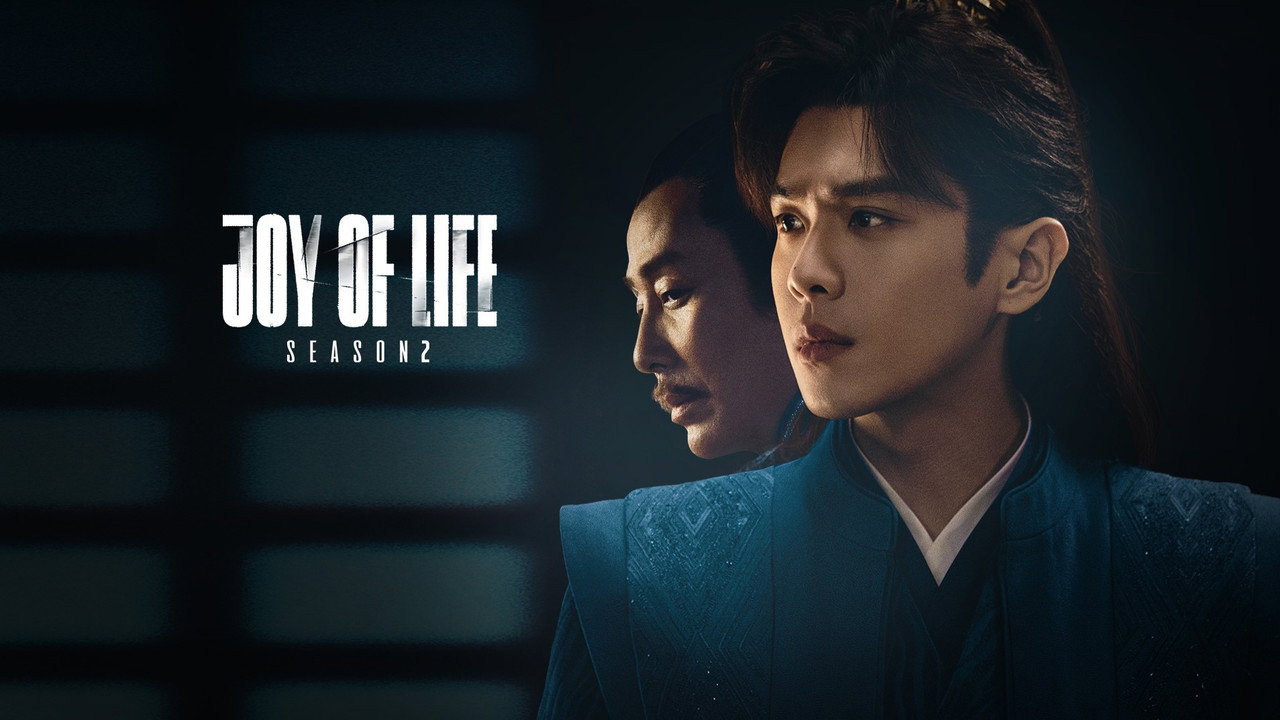
China News Service (中新网) reported on 24 May 2024 that Season 2 opened on a Douban (豆瓣, China's main user-review site) score of 7, against 7.9 for Season 1, and described the response as uneven. Several explanations have been offered.
 Save
Expectation. China News tied the response to the weight a hit carries into its sequel: viewers measured the new season against a five-year-old memory, and the report spoke of a "nostalgia filter". The sequel was announced in 2020, and the bar rose with the wait.
Script and pacing. This is the most specific criticism. China News and Jiemian (界面新闻) both pointed to the long faked-death opening and to scenes that felt forced, and Yicai (第一财经) reported that the first five episodes disappointed many fans who had waited. China News and Jiemian note that opinion warmed around episodes 8 and 9, when the scheming plot returned more strongly.
Tone. A season that leans on comic beats and modern internet jokes sits uneasily with a story about palace politics. China News reported viewers who found the jokes overdone and sometimes forced. Jiemian wrote that a serious scheming core and a light-comedy style do not blend easily. A commentary on The Paper said the many comic digressions in the opening episodes slowed the plot. This overlaps with pacing but is a separate complaint, one about what kind of show it wants to be.
Casting. Ye Ling'er (叶灵儿), the daughter of a military commander, passed from Han Jiunuo (韩玖诺) to Jin Chen (金晨). China News reported that some viewers found the new Ye Ling'er more reserved than the lively character they remembered. Yan Bingyun (言冰云) also changed hands, from Xiao Zhan (肖战) to Wu Xingjian (吴幸键). Most of the ensemble returned.
 Save
Marketing and advertising. Twenty-six brand partners were announced before the premiere. Jiemian counted nine ads per episode in the opening episodes, about 136 seconds of advertising per episode. A tally by a Douban user, cited by Yicai, counted 174 ads from 23 brands across the first 21 episodes. Data firm Shuju Juhe (数说聚合) recorded close to 40 percent of viewers expressing negative sentiment about the ads, against under 10 percent for the hit drama Blossoms Shanghai (繁花). Yicai also suggested a feedback loop: disappointment with the early episodes lowered viewers' patience for the ads. So the ads were both a cause and a symptom.
The wider environment. Jiemian argued that audience taste had moved on in five years: the light comic style that felt fresh in 2019 meets different expectations now, and the high overlap of actors with other period dramas made some viewers feel they had seen it before.
The numbers were strong: Tencent Video's heat index passed 32,000 on day one, according to Jiemian. Yet the conversation online was often critical. Both were true at once, and no single cause fits.
A heavily promoted sequel faced high expectations, started slowly, changed its tone, replaced two roles and was crowded with advertising, and these things compounded one another.
Season 1 had its own marketing row. In December 2019 iQIYI added a paid advance-viewing clause for VIP members during the Season 1 run, and in June 2020 the Beijing Internet Court ruled that the clause did not bind one member who sued.
What the argument does for the story
If you read the show as a cheat-code adventure, Season 2's flaws are about rhythm: too slow, too jokey, too many ads. If you read it as an argument about rank and equality, they matter more, because the places where Season 2 loosens its grip on the political thread are exactly the places where the central question goes quiet. The viewers who complained that the scheming had gone soft, and who were relieved when it came back, were in effect asking for the question to be taken seriously again.
 Save
For a first-time viewer, Season 1 is the stronger place to start: it is tighter, it sets up the question cleanly and it ends on the moment that forces Season 2. Season 2 is the one to watch if you want to see what happens when the question is put to the hero himself, once he stops being a pawn and has to decide what to do with his power.
Want to talk about this? Join the conversation on our Discord →
Get the newsletter
New drama guides, news and reviews in your inbox. No spam, unsubscribe any time.
Or subscribe by RSS: feed.xml